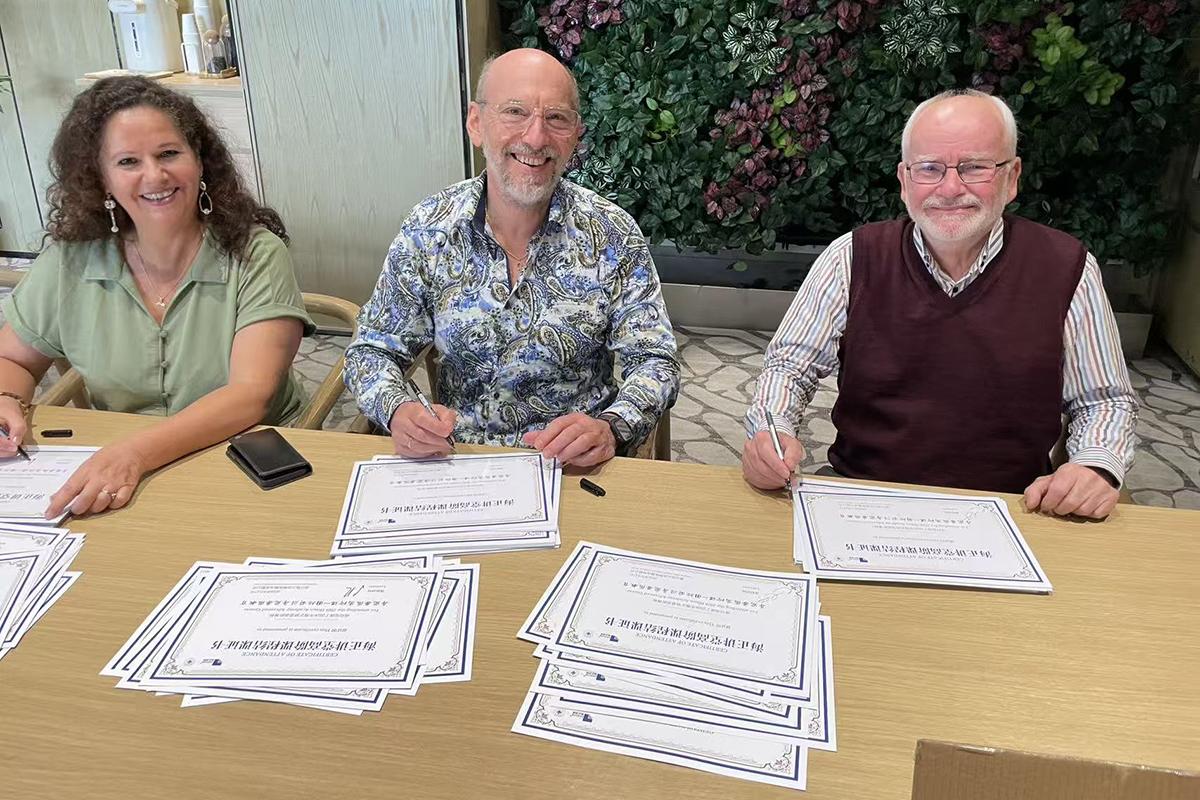
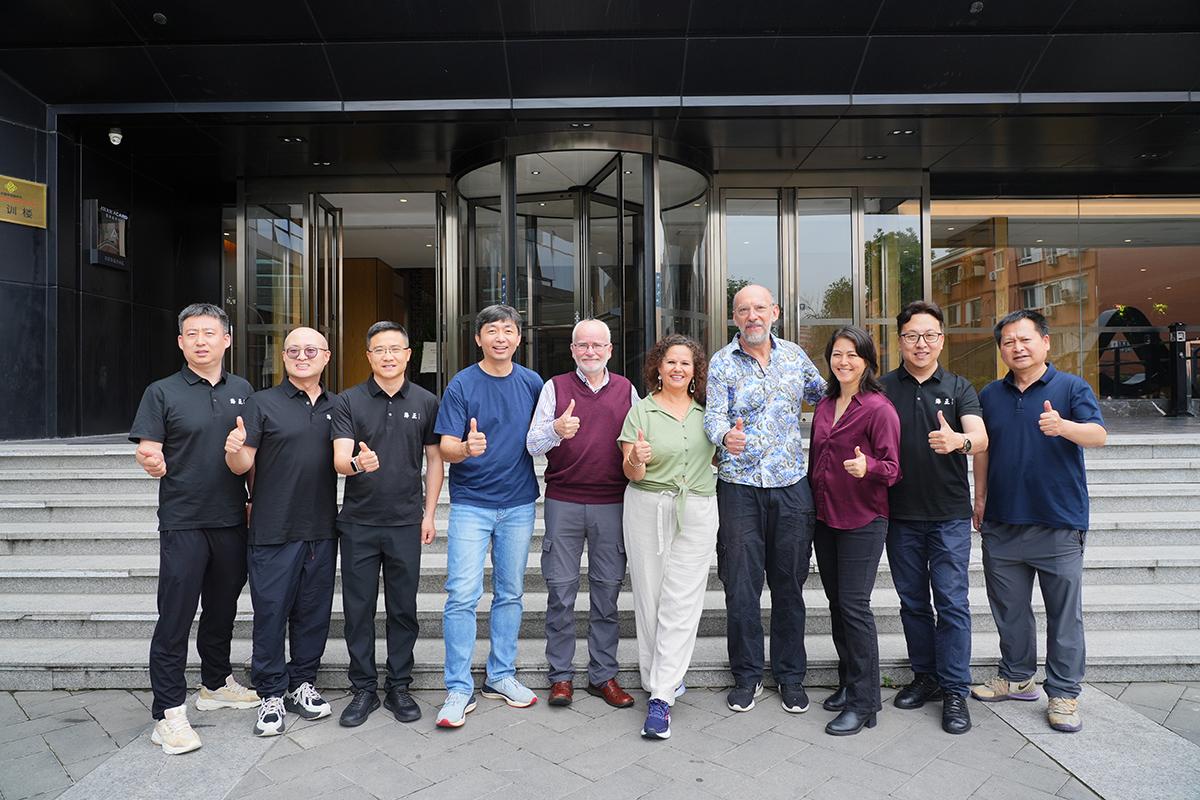
The driving force behind the initiative of the Animals for Asia Foundation is Dr. Mandala Hunter.
Dr. Hunter organizes events/training to promote and improve animal welfare and health.
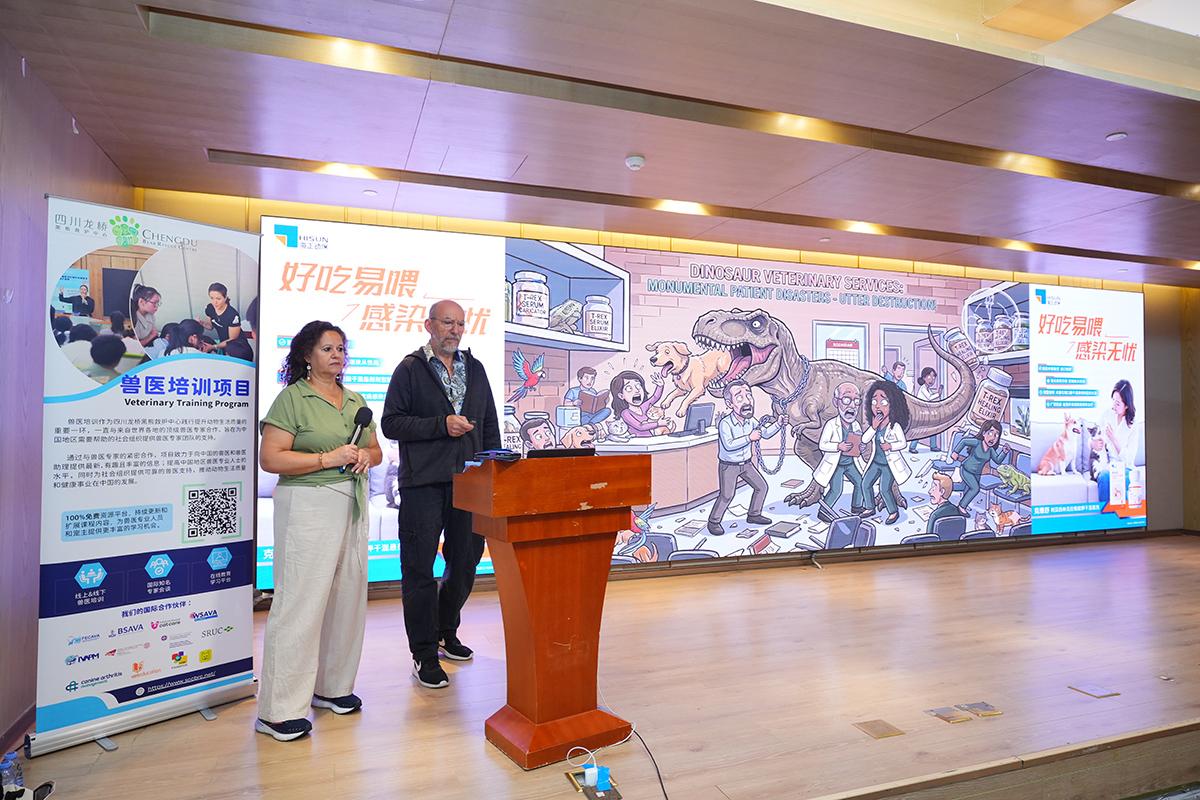
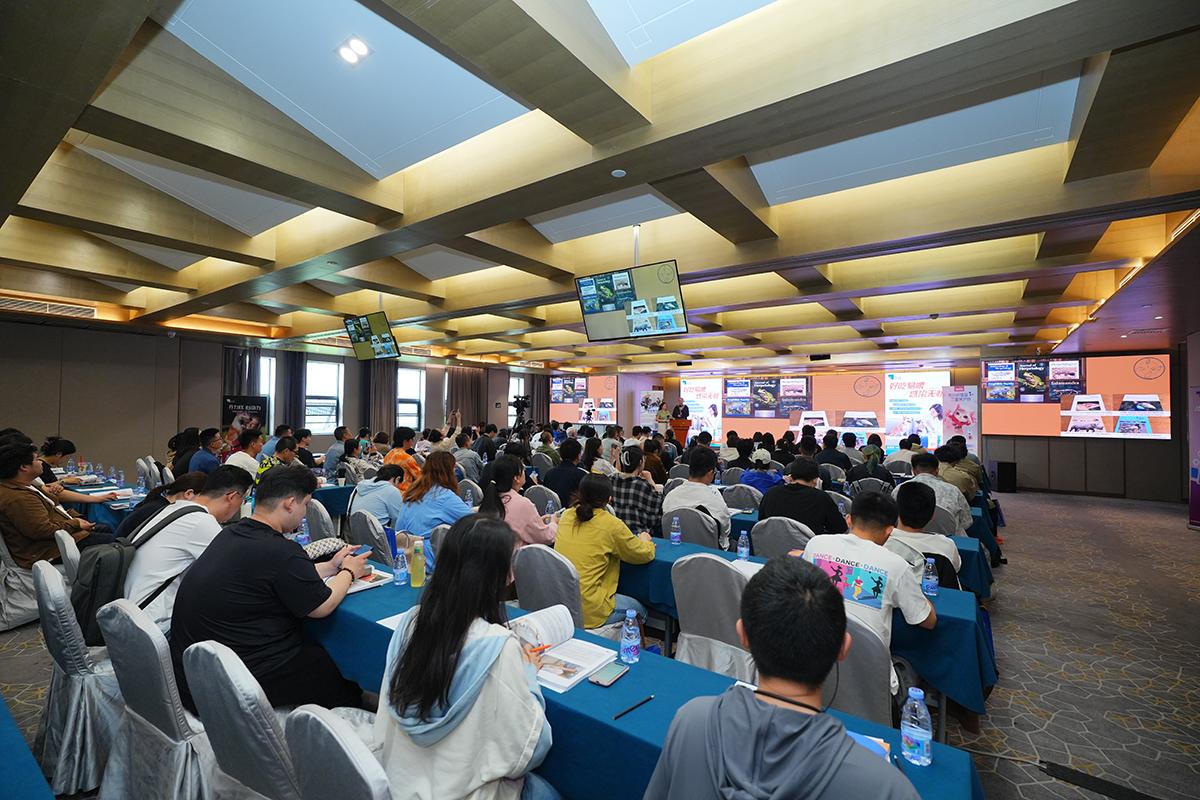
The colleagues from Austria held a day seminar on special animals with a focus on reptiles, guinea pigs and rabbits. They showed a large number of professional videos of cases, diagnostics and surgical procedures based on more than 30 years of practical experience. An offer that can be applied 1 on 1 in the daily practice of veterinarians who are interested in special animals.
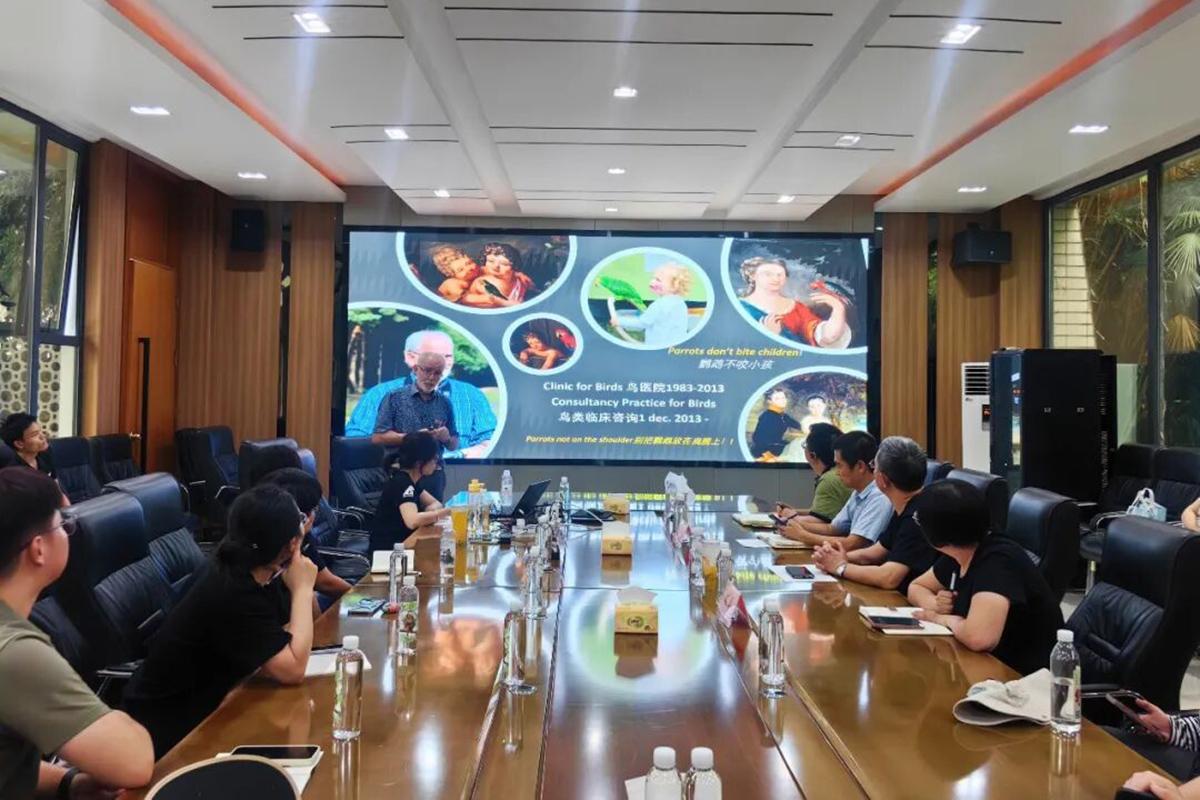
The day seminar I presented focused on the prevention of welfare problems, behavioral problems and health problems in parrots/birds. In addition, a lot of attention was paid to responding to and solving behavioural problems in parrots, animals and children. The formulated definitions of behaviour and the 5-step behavioural protocol play a leading role in this. The definitions and the protocol of conduct are the basis of creating mutual respect and mutual trust. The basis of preventing and solving well-being problems and behavioral problems.
Great interest
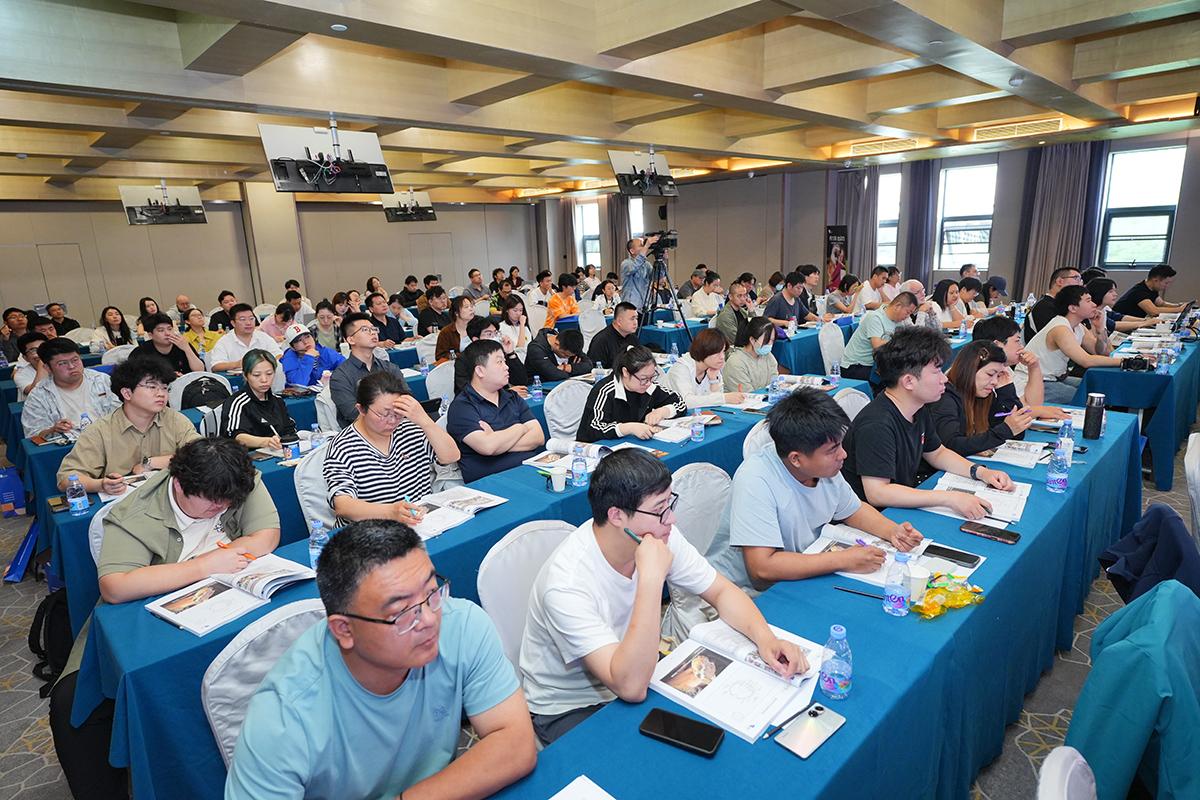
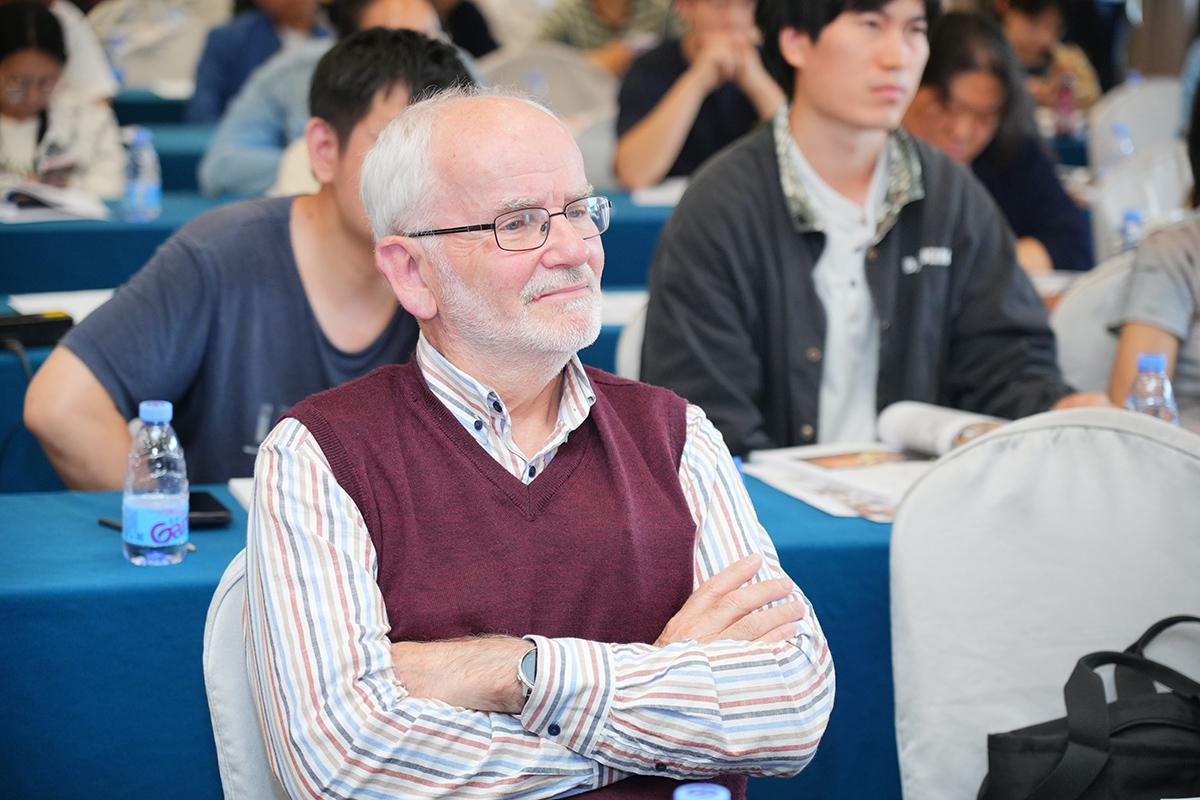
During the two-day seminar, more than 100 veterinarians were present and more than 2000 participants participated via the livestream. This shows that there is a rapidly growing interest in the welfare and health of parrots in captivity in China. This was also confirmed by a visit to a private clinic of a colleague in Beijing that is fully equipped for birds and special animals. In terms of design, facilities and expertise, this clinic contrasts sharply with what we encounter in the Netherlands/Europe. This is truly a top-off-the-bill clinic, run by 7 passionate specialists.
Tour of China
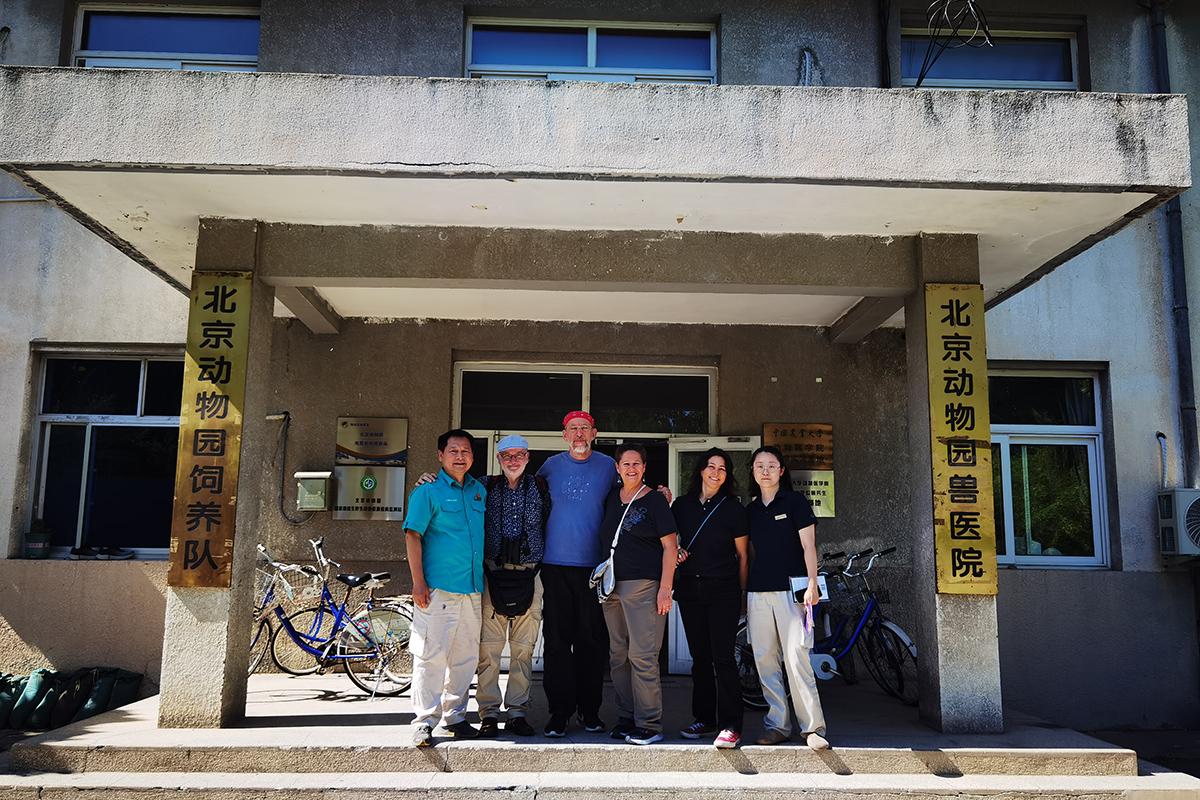
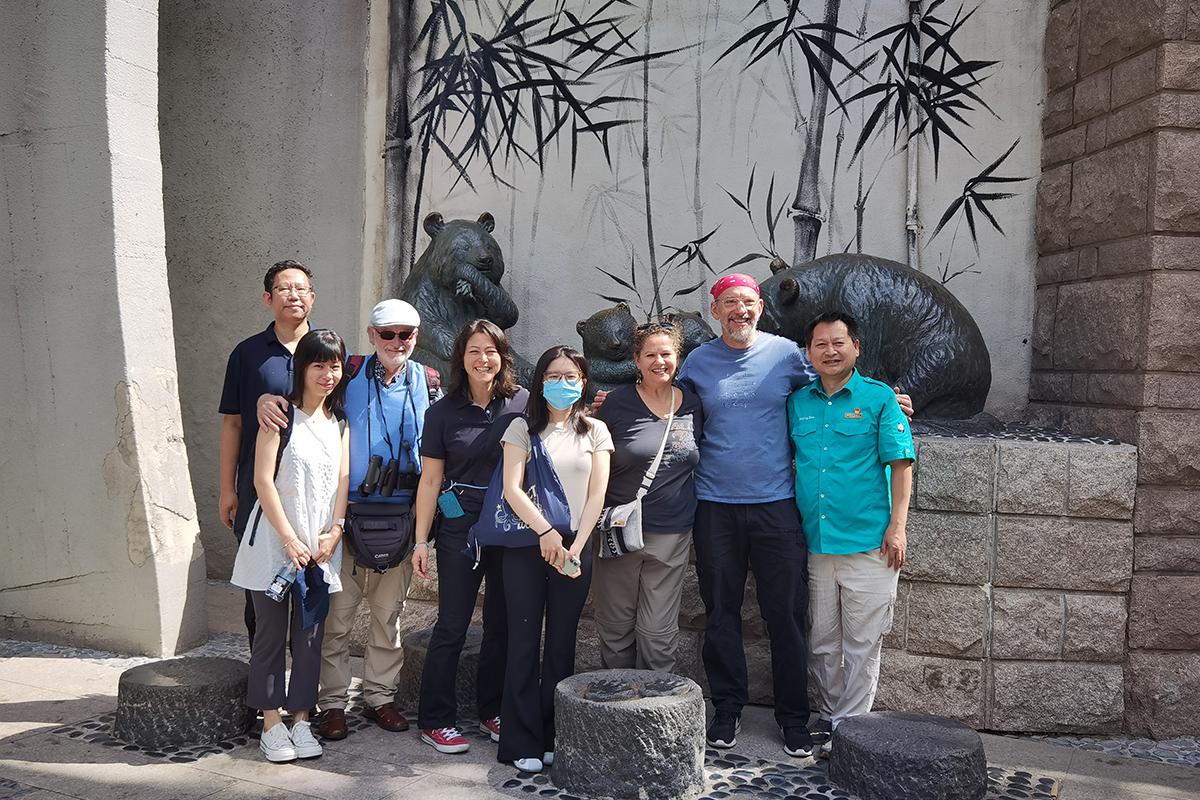
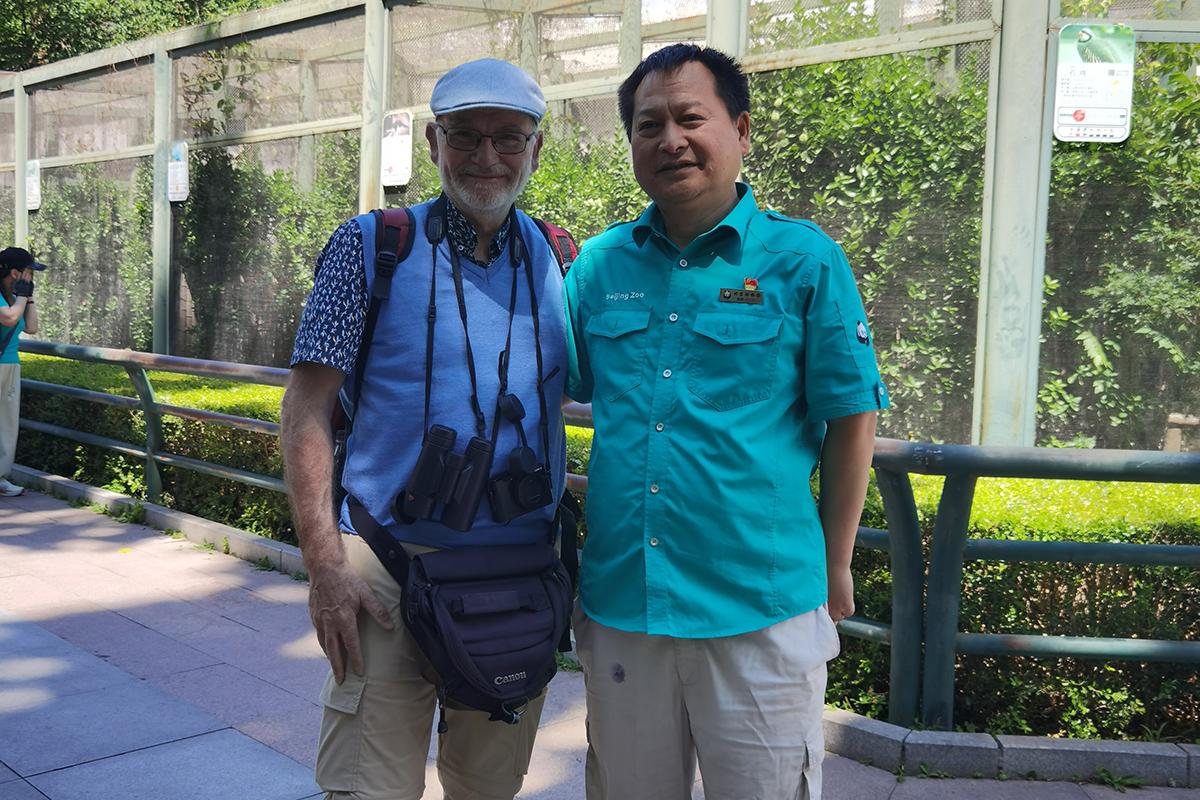
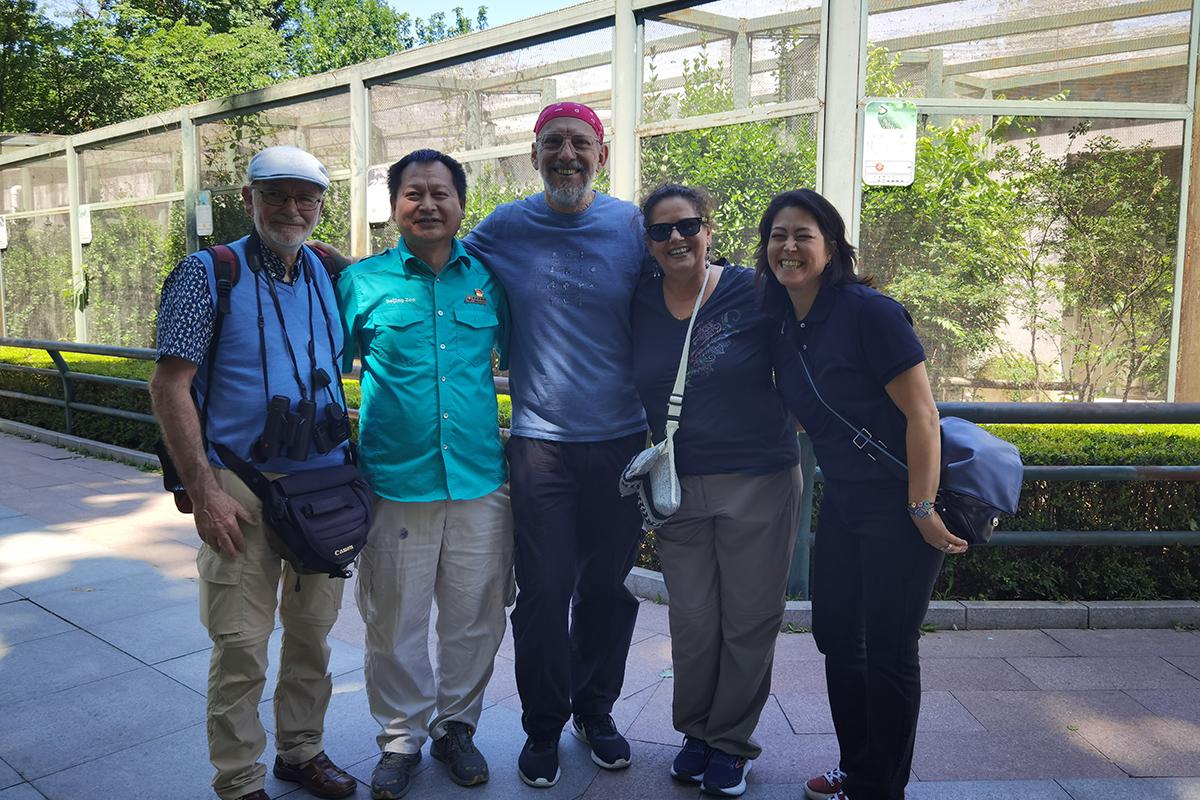
On May 28, there was a visit to the Beijing Zoo with a tour given by the head of the veterinary department. The successful breeding program with pandas and the reintroduction of pandas into the wild were discussed in detail. Thanks to these efforts, the panda has been saved and is no longer on the list of species critically endangered in survival.
On May 29, a day trip was arranged for Jan with a visit to the forbidden city with background information about the history and culture in China. Then there was an impressive tea ceremony with background information about the 2000 types of tea in China and their medical applications. The visit to The Great Wall was impressive. A wall of more than 8000 km, built in the hills that disappears into the landscape through all kinds of possible bends. It has been built for 300 years with a precision and architecture similar to that of the Pyramid builders in Egypt.
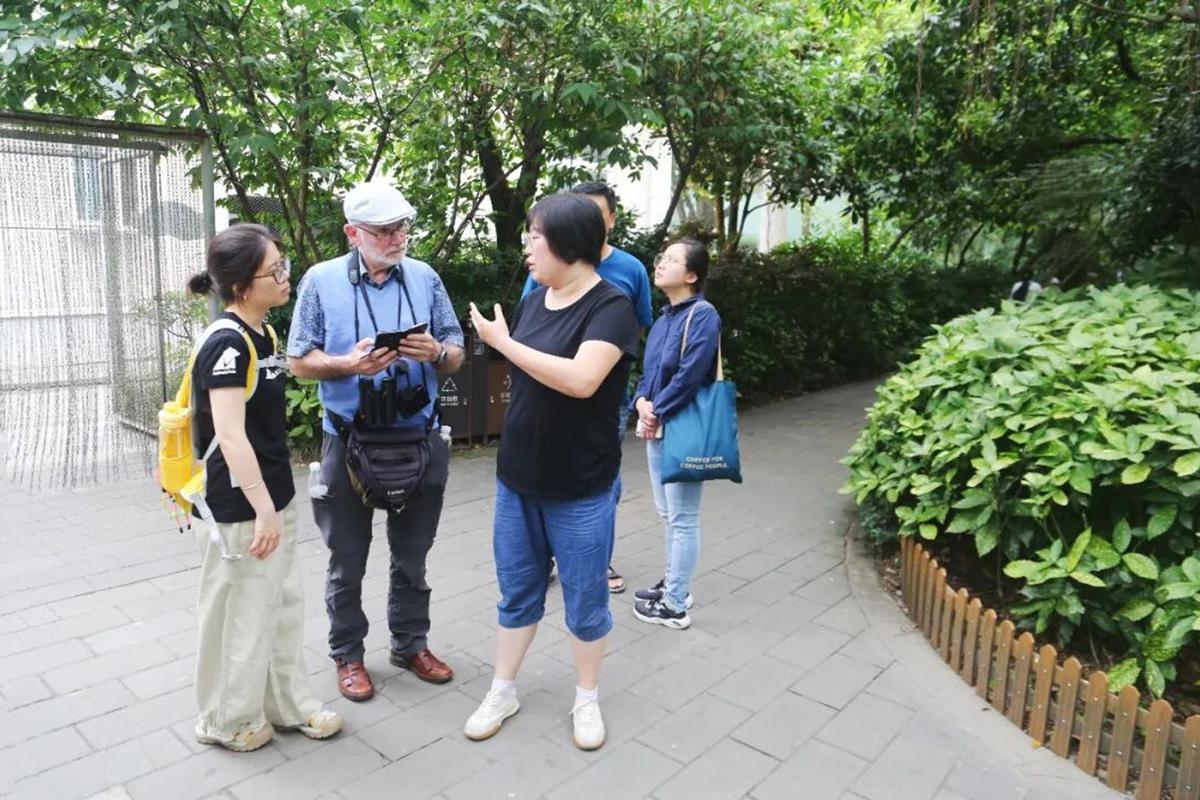
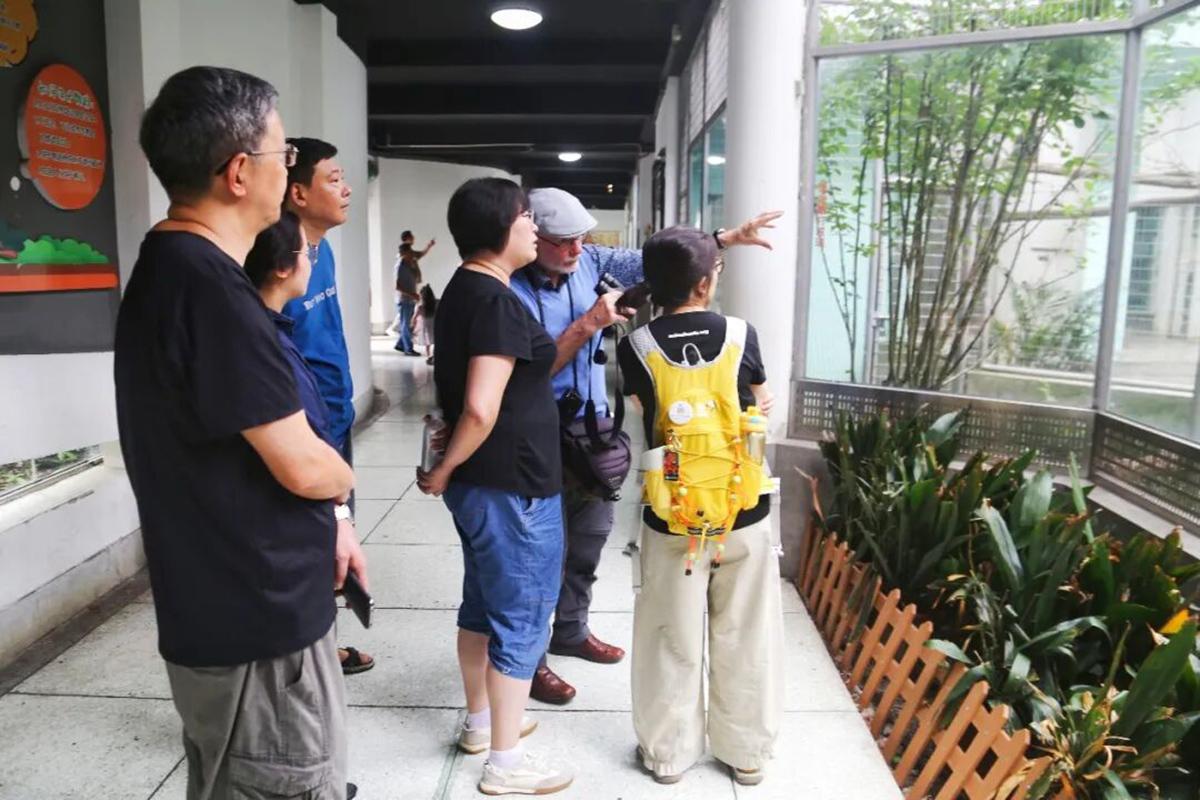
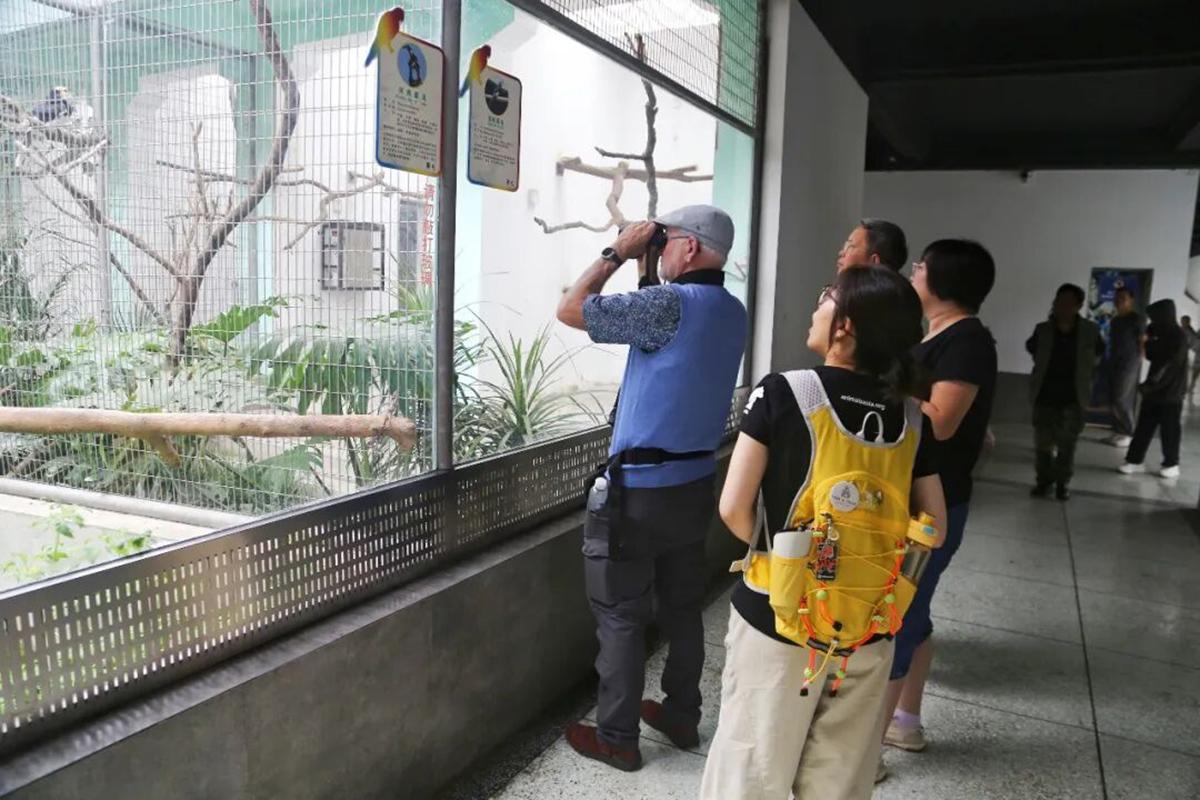
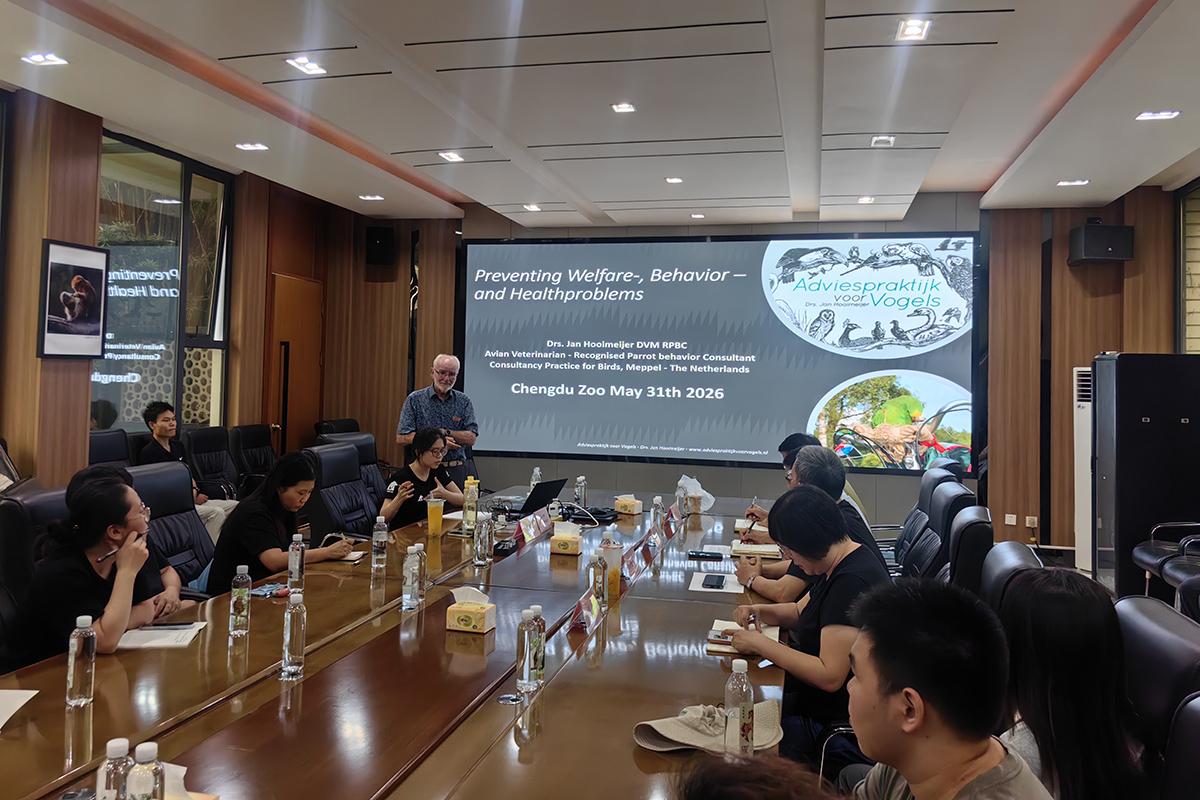
On May 31, Drs. Hooimeijer was invited by the zoo in Chengdu. After a tour, given by the veterinarian responsible for the birds, Jan gave a presentation in the afternoon about the prevention of welfare problems, behavioral problems and health problems in a zoo.
It was a great experience to be able to contribute to the welfare and health of birds/animals in the zoo for 32 staff members of the zoo, zoo veterinarians and zookeepers. It was heartwarming to experience how positively the input was appreciated.
On May 30, Jan was invited by Asia for Animals to visit the Asia for Animals bear sanctuary in Chengdu. Bears rescued from bear farms are taken in there, often kept in horrifyingly small cages for many years for the extraction of bile. It was impressive to see the amazing outdoor enclosures and the facilities where the animals are clearly comfortable.
A team of 6 veterinarians focuses on the health and welfare issues of these traumatized bears. Dealing with traumatized bears is very special and it was nice to be able to brainstorm with colleagues about dealing with traumatized animals based on Jan's experiences with mostly traumatized parrots.
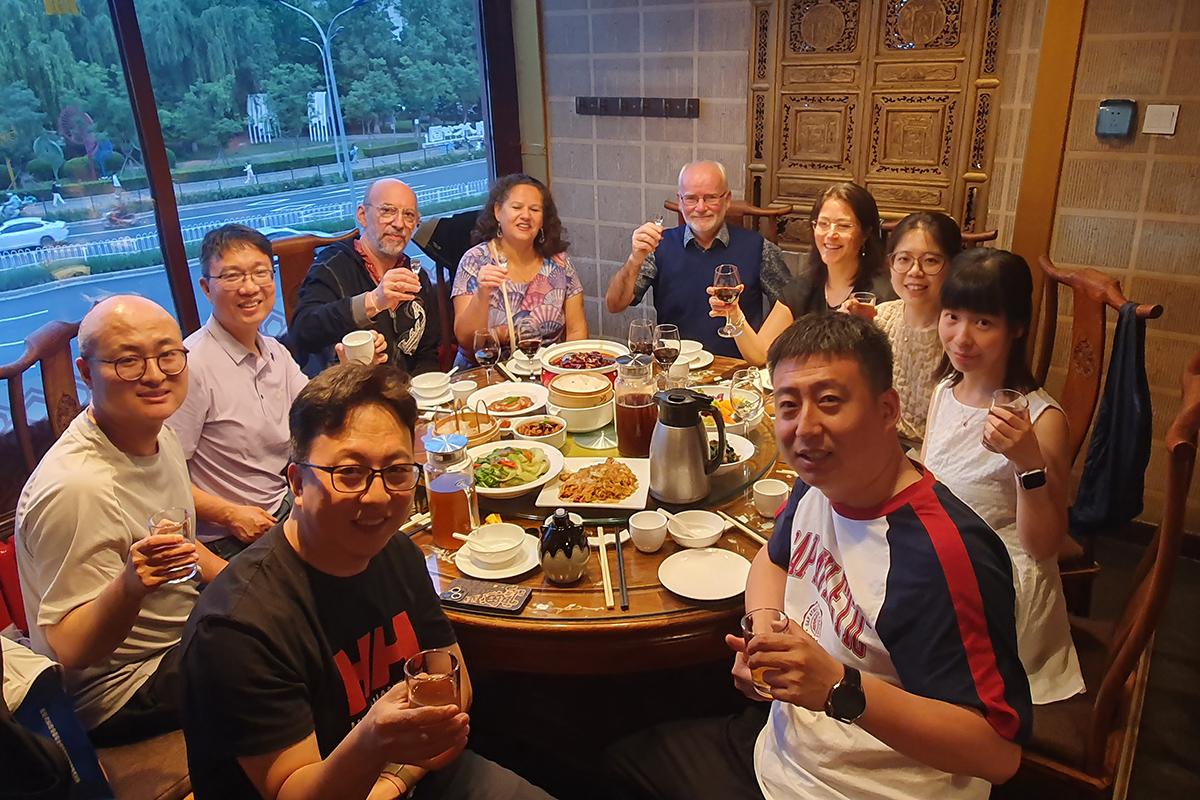
Meeting great colleagues, concerned about the welfare of parrots/birds/animals was overwhelming, the hospitality and the impressive culture made the visit to China a highlight.
Unfortunately, the visit to China confirmed once again the experience that there are no positive developments in the Netherlands with regard to the prevention of welfare problems, behavioral problems and health problems in parrots/birds. But we will continue to work to ensure that this will also change one day.